
 United Kingdom
 China
China Hong Kong SAR
 Indonesia
 Japan
Japan Malaysia
 Middle East
 Singapore
 Taiwan
 Thailand
 Turkey

What is an EPC?
An Energy Performance Certificate (EPC) indicates how efficiently a property uses energy for heating, lighting and hot water. Every home sold or rented in the UK should have a valid EPC. For landlords, including those from India, this certification matters because rental values are directly tied to the EPC rating of a London property.
Tenants are also increasingly expecting cost-efficient homes. A stronger rating implies lower running costs, fewer complaints and higher long-term rental appeal.

How EPC ratings are calculated
The assessor reviews the building structure and key systems that influence heat retention and energy use. This includes insulation on the roofs, walls and floors, glazing type, heating and hot-water systems, fixed lighting and any renewable installations. The findings are processed through the UK government’s standard calculation tool and the final energy rating ranges from A, which is the most efficient, to G, which is the least. The certificate further highlights suggested improvements to improve the score.
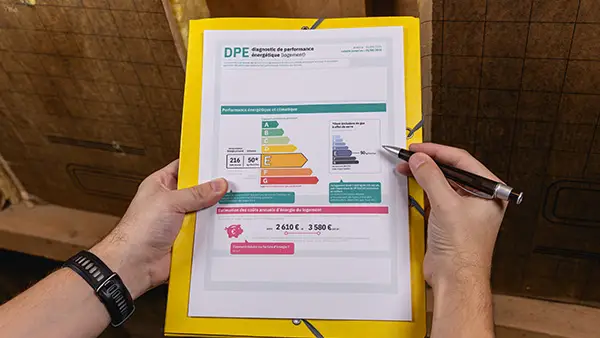
What an EPC report contains
An EPC report for a London rental property includes the energy-efficiency rating, a benchmark for comparison, an itemised list of recommended upgrades and the projected impact of each measure. This report also contains the floor area details, date of issue, reference number and the estimated energy costs based on the current configuration. These are details that will help your potential tenants quickly understand features like heating performance, running costs and the scale of potential improvements.

EPC validity
An EPC certificate in the UK is valid for 10 years unless the government introduces new rules. Landlords must have an EPC for rental property in London before marketing it. If landlords carry out significant upgrades to the rental property, such as installing new heating systems or insulation, it’s best to obtain a new EPC that accurately reflects the improvements and strengthens the unit’s rental appeal. For Indian investors managing London property remotely, keeping EPC documents updated is crucial to avoid compliance risks.

Cost of obtaining an EPC in London
The cost of an EPC assessment in London varies by size, layout and location. Typically, it can cost between £60 and £120, with larger homes incurring higher costs. Newly built properties often require a different assessment method, which is usually priced higher than the standard rates. Landlords have the option to choose any certified assessor, but should ensure they are registered and independent.

Legal requirements for landlords
Under current UK EPC regulations, rental properties in London must have an E or higher rating. Homes with a rating of F or G cannot legally be rented until improvements are completed and the rating is improved. Landlords should provide the EPC certificate when renting out property in London, when advertising the property and at the start of any tenancy. Upon non-compliance, penalties may be imposed (up to £5,000). Overseas investors, including Indians, must be aware of this regulation, as non-compliance can affect rental income and legal standing.

Typical EPC ratings by property age
Average EPC ratings for London properties differ by age and type. Homes built after 2012 get a B rating and properties built between the mid-1980s and 2012 often fall within the C band. Properties made ready before the 1980s, especially the ones over a century old, sit in the D-E range (unless upgraded). Apartments perform better than detached homes due to lower heat loss.

Ways to improve EPC scores
In simple words, raising an EPC rating in London involves reducing heat loss and improving system efficiency. Common measures include cavity or solid-wall insulation, loft insulation to a minimum depth of 270mm, floor insulation, upgraded glazing and draught-proofing around doors and windows. Additional upgrades can be done around insulating hot-water cylinders and pipes, fitting LED lighting, installing smart thermostats and replacing outdated boilers. Solar panels or heat pumps are renewable systems and can enhance ratings.
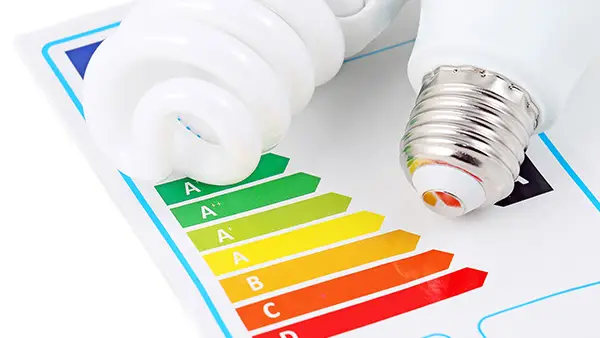
Costs of upgrading for C EPC rating
The cost of improving the EPC rating for a London rental property varies. Many contemporary apartments require minimal work, which is often focused on lighting or heating controls. Older properties may need more substantial upgrades, such as insulation or heating replacement, with estimated costs commonly around £5,000. Indian landlords with properties in the UK should ideally plan early to avoid a last-minute rush.

Who can produce an EPC?
Only qualified Domestic Energy Assessors registered on the official EPC register can issue certificates. The assessment is non-intrusive; however, landlords must provide access to all areas of the property. After inspection, the assessor will submit data, generate a certificate and upload it to the central database.

When to renew EPC?
Indian landlords should ensure the renewal of EPC for their London rental property when letting a property for the first time, after any major energy-related upgrades or if any old certificate reflects outdated information. Renewing this certificate early strengthens the unit’s marketing position and reduces compliance risks.

Benham & Reeves can help
Benham & Reeves can arrange accredited assessors, review EPC results and outline the most cost-effective upgrades needed to meet current or upcoming standards. Through our property management service, we help Indian landlords with London property coordinate improvement works, monitor compliance deadlines and maintain rental eligibility.