 United Kingdom
 China
China Hong Kong SAR
 Indonesia
 Japan
Japan Malaysia
 Middle East
 Qatar
Qatar Singapore
 South Africa
 Thailand
 Turkey
Landlord vs tenant - Who pays for burglary damage in a rented property?
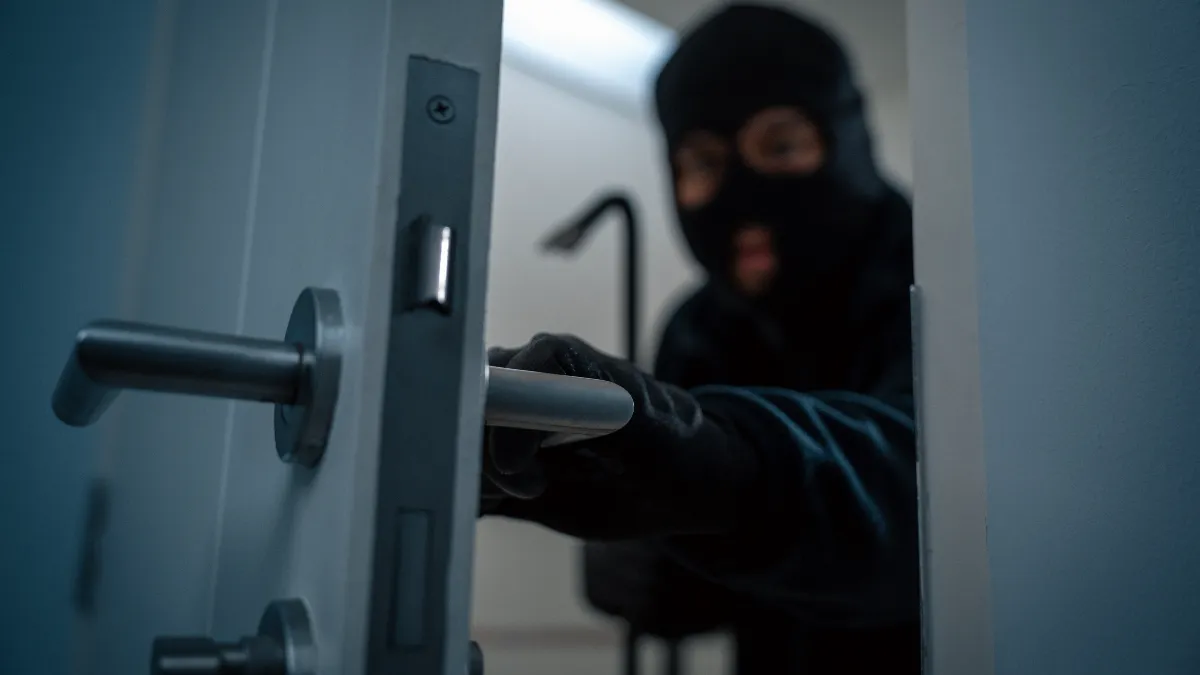
Burglaries are unsettling. Beyond the emotional shock, there is a practical question that eventually all landlords and tenants need to clear: ‘Who is responsible for the damage caused by a break-in?’ In the UK rental system, this isn’t just a moral dilemma; it is defined by legal responsibility and insurance frameworks.
At Benham and Reeves, we often advise London landlords and indian property investors navigating these scenarios for the first time. Whether you are a first-time buyer setting up a rental or a landlord expanding your portfolio, understanding where responsibility lies will help you act quickly.
Building damage vs personal loss
Break-ins create two types of financial exposure: they cause damage to the entry point within the house and lead to loss of personal items.
In most UK tenancies, the distinction defines who pays.Landlord’s responsibility for burglary damage is usually applicable when the locks, windows, doors and frames are damaged during forced entry.
Tenants, on the other hand, are responsible for loss or replacement of personal belongings.
This simple distinction forms the basis of most insurance claims and contractual expectations in London rentals.
Who pays for break-in damage in UK rental properties?

Damage to the building? Landlord’s expense
If a burglary has forced entry, which can be a smashed window, kicked-in door or broken lock, the repairs fall under tenant vs landlord burglary repairs and responsibility usually is that of the landlord’s.
Why?
Landlords need to maintain structural integrity and secure entry points of the home. In UK legal language, this is part of preserving the fabric of the building. This includes lock replacements, broken window repair, damaged door frames and boarding up the property temporarily.
Most landlords usually have landlord insurance burglary coverage, which covers these repair costs. Tip for Indian landlords: Ensure you add emergency access protection and accidental damage cover within your policy.Damage or theft of personal items? Tenants’ responsibility

If valuables, electronics, jewellery, laptops or bicycles are stolen, these fall under tenant contents insurance theft and not the landlord’s. London landlords are not liable to cover damage or theft of items like cash, electronics, personal furniture or sentimental items.
In fact, all tenancy agreements clearly mark this difference. Tenants are advised to secure their contents policy, especially if they are residing in London postcodes with high footfall.When does responsibility shift?
Sometimes UK landlords ask us, “What if the tenant contributed to the burglary through carelessness?”
And in reality, this is a valid question to ask. If a tenant leaves the door unlocked or a window open and that lapse leads to a forced entry, insurers and courts may consider this case under negligence. In such rare cases, the tenant can be held liable for some repair costs. This is one of the major reasons an inventory, check-in, photographic evidence and clearly worded tenancy clauses matter when you are managing a London rental.As a landlord, what to do after a break-in?

The first step is to secure a Police Crime Reference Number. Police verification in such cases is crucial. Insurers require the Police Crime Reference Number to confirm forced entry or criminal intent.
Next, make the property safe. If windows or doors are broken, arrange for emergency boarding up of the rental unit. Get a locksmith to change the locks and ensure temporary reinforcement if needed.
Lastly, notify the insurers. Landlord insurance burglary cover often pays for replacement locks, secure entry installations, damages to the building fabric and emergency call-outs.
If you are a first-time London landlord, always ensure your policy includes forced-entry protection.
Who pays for broken windows, locks and doors?

In almost all cases, the landlords.
The reason behind this is simple: locks, windows and doors are part of the building structure and fall under landlord repair obligations under UK rental property security laws. Tenants are required to cooperate, but the final expense sits with the property owners and their insurer.
Insurance types and covers
Landlord buildings insurance covers the fabric of the building, forced entry damage, broken glazing and structural repairs.
Tenant contents insurance covers electronics, jewellery, bags, clothing, valuables and furnishings owned by the tenant.
Who pays for boarding-up & locksmiths?
Temporary safety work, which can include boarding up windows and locksmith charges after a burglary, is generally charged to the landlord, unless a tenant’s negligence is proven. These costs are commonly recovered through landlord insurance.
When can a tenant be charged?
Responsibility can be transferred to the tenant if they left secure entry points open, ignored safety instructions or displayed negligence that led to the break-in.
Final word: Understanding responsibility
Burglary is a traumatic event, whether you are a tenant dealing with the shock and loss of your items or a landlord trying to restore security. But in such cases, clarity helps with logical decisions.
For Indian investors entering the London market, especially first-time buyers, this clarity matters. It ensures you comply responsibly with the UK laws and maintain good tenant relations. If you would like further guidance on insurance requirements, security standards for London rentals or preparing your tenancy agreements, our Mumbai and Delhi teams can help.
With over six decades of experience in London lettings and management, we will ensure your investment is protected and professionally managed.
Frequently asked questions
Is my landlord responsible for stolen items?
No, stolen or damaged personal belongings are covered by tenants' content insurance and not the landlord’s responsibility.
Who pays if a tenant leaves a window open and gets robbed?
If negligence is proven, the tenant may be required to cover repairs or contribute part of the cost. Otherwise, landlords pay for break-in damage.
Does landlord insurance cover tenant theft?
Landlord policies, in most cases, cover damage to the building and not the contents within it or personal theft. Tenants must ensure their personal items.
Can I withhold rent if my landlord won't fix a broken door?
No, rent withholding is not a recognised UK solution. Tenants can request urgent repairs and escalate this issue formally; however, the rent must still be paid.
Who pays a locksmith after a burglary in a rental?
That depends. If the damage is caused by forced entry, landlords usually cover it via insurance. If the keys were lost or misuse caused this issue, the tenant can be charged.
My landlord is refusing to secure entry after a break-in. What do I do?
Landlords are legally required to ensure the property remains safe and habitable. Failure to act promptly can result in formal complaints.
Share
About the Author
Sushant is an accomplished real estate professional with a Master’s in International Business from the University of Strathclyde UK, and an MBA from his studies in India. With over a decade of international experience across the UAE, India, and South Africa, he brings a deep understanding of global property markets and investment dynamics. As Head of Business Development for Benham and Reeves in the Delhi region, Sushant specialises in driving growth in emerging real estate markets, managing HNI portfolios across diverse asset classes and collaborating with leading developers such as EMAAR and DAMAC. An outgoing and people-oriented professional, he values building long-term relationships with clients. Outside of work, Sushant is an avid traveller and foodie who loves exploring new cultures.View all posts by Sushant Ohri