 United Kingdom
 China
 Hong Kong SAR
 Indonesia
 Japan
 Malaysia
 Middle East
 Singapore
 Taiwan
 Thailand
 Turkey
Buying vs. renting near UCL & Imperial - Financial breakdown for Indian student families
Your child gets an offer from UCL or Imperial, and the family has every reason to celebrate. However, the cost of accommodation in London can quickly become a significant consideration.

An apartment near either campus can cost £35,000 to £45,000 a year. Over a three or four-year degree, that is between £105,000 and £180,000. At the end, you hold a set of rent receipts and nothing else.
So is renting the only way? Most Indian families assume it is.
Fewer stop to ask the other question: what if that money went into a London apartment the family owns?
Our advisers in Mumbai and Delhi hear this question from parents. Here is how the numbers look, including the parts that don’t favour buying.
What renting near UCL and Imperial really costs
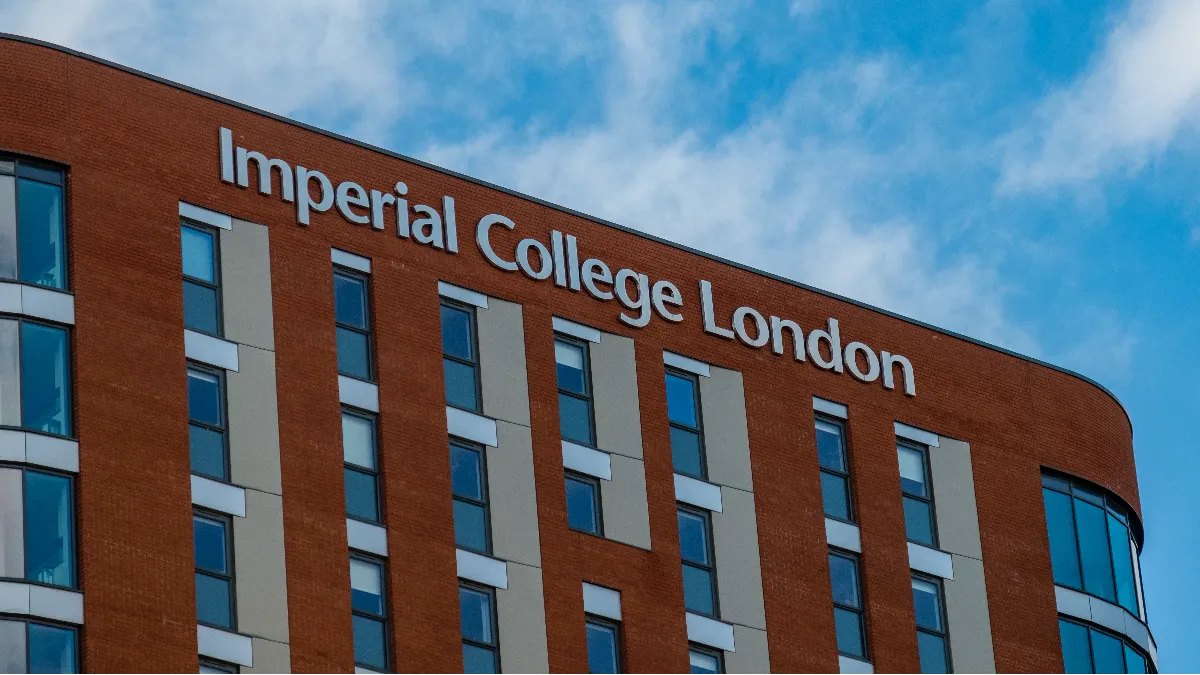
Start with the official figures. The ONS puts the average private rent in Kensington and Chelsea, where Imperial’s South Kensington campus sits, at £3,690 a month in August 2026. That is the highest of any local area in England and Wales and it works out at £44,280 a year. UCL is in Camden, where the average is £2,819 a month or £33,828 a year.
(Source: ONS – Private rent and house prices, UK (September 2026) | August 2026 London borough rental data (Camden: £2,819)
That is £44,280 a year on average. The London-wide average rent is £2,332 a month, about £27,984 a year. So the £35,000 to £45,000 range parents quote near these campuses is no exaggeration. It’s the going rate.
Rent also moves. London private rents rose 3.5% in the 12 months to August 2026. A four-year degree means four years of renewals, each one usually starting from a higher base.
Should parents buy or rent student housing in London?

The decision depends on three things. How long will you hold the apartment? Would you consider a London property anyway, with or without the degree? And how much cash can you commit up front without squeezing anything else? If your answers are ‘a long time’, ‘yes’ and ‘comfortably’, buying deserves a solid consideration.
What buying property near UCL and Imperial College costs on day one
The purchase price is only the start; Stamp Duty Land Tax (SDLT) is the first expense.
The UK government charges nothing on the first £125,000, 2% on the next £125,000 and 5% on £250,001 to £925,000. On top of that, you usually pay an extra 5% if you own another residential property after the purchase. A 2% SDLT surcharge applies to non-UK residents.
Take £569,000, the ONS London average, as a stand-in for a flat price. Here’s the stamp duty (SDLT) on it.
| Situation | SDLT |
|---|---|
| No other home owned | £29,830 |
| Another home owned, in India or anywhere else | £58,280 |
Now set that against rent. A year near Imperial at the average is £44,280. For a one-year master’s, a tax bill of £29,830 to £58,280 is hard to justify. Over four years, the rent runs to about £177,120 before any increases, while the tax is paid once.
Understanding LRS limits and applicable TCS
The RBI’s Liberalised Remittance Scheme lets a resident individual send up to USD 250,000 per financial year. This limit covers studies abroad as well as buying property overseas. The limit is per person, including minors, so a family can spread a remittance across its members.
Then comes TCS. From April 1 2026, banks collect TCS at 20% on property remittances above INR 10 lakh in a financial year. Education remittances above INR 10 lakh attract 2% and none if the education is paid out of a financial institution’s loan.
That gap is why our India team starts by mapping how the money will travel before discussing which apartment. TCS is collected at the time of remittance.
Understanding the long-term value of London property ownership

The ONS says the average London house price was £569,000 in July 2026, £19,000 below the July 2025 peak and that it was the eleventh straight month of annual falls. This may read as worrying news to some. We read it this way: buyers are not chasing a rising market right now.
- A London address for the family.
An apartment bought for a degree still works after graduation. A younger sibling may study in London. Your child may stay on with a job. The family may simply want a base in the city. A rented apartment or bedroom does not give such perks.
- Let a spare room.
There’s another angle. Some families let a spare room to another student while their child lives in the flat. The rent takes a bit off the monthly cost.
What the tax side looks like
Overseas ownership comes with a few tax points. Rent from a spare room is taxable in the UK. So is any profit when you sell, since non-residents pay capital gains tax on UK residential property. A London apartment also falls under UK inheritance tax rules.
Overseas owners deal with all three as a matter of routine. The India-UK tax treaty can shape how some of it applies and it depends on whether you own property back home. So, a cross-border tax adviser is worth considering before you sign. We can introduce you to one.
When renting is the smarter call
If your child is studying in London on a one-year master’s, buying rarely adds up. A tax bill of the size above, for mere twelve months of use, is hard to defend. It is better to consider renting rather than buying.
The same goes if the family is unsure about London beyond this degree or if the cash is needed elsewhere. Start with our relocating to London for education guide.
Who looks after the apartment when you are in India?
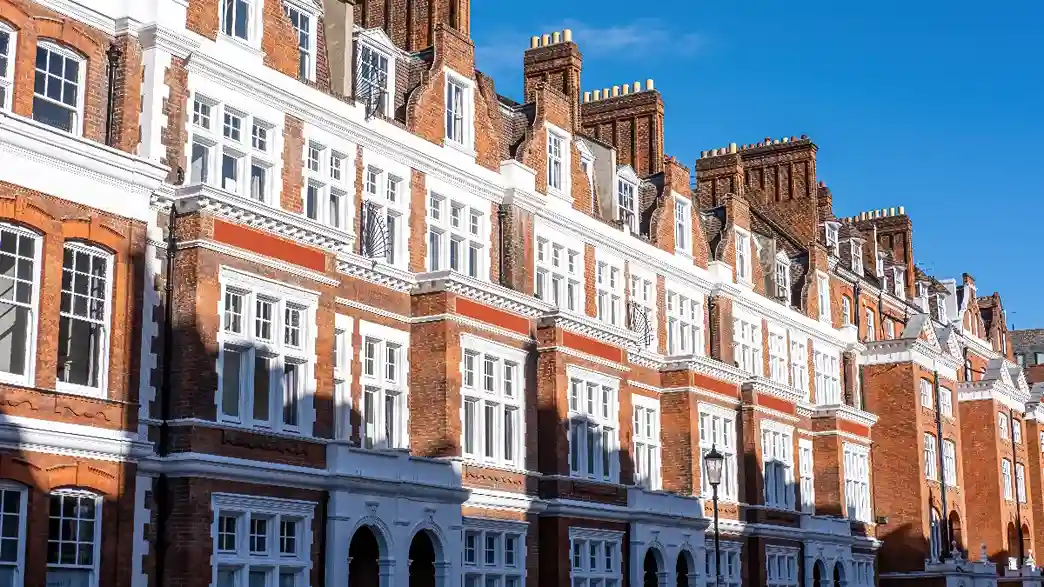
This question stops many parents from deciding to buy. An apartment in London is a long way from your home. Who finds the tenant for the spare room? Who collects the rent? Who gets the call when the boiler fails in the month of January?
With our fully managed London tenant and property services, our local London property management team handles tenants, rent and repairs. You stay in touch with an adviser who works with Indian families and understands the time difference, paperwork and the questions you will have.
Run your own numbers before you decide
Before speaking with our advisers, it helps to have three things in mind: the university, course duration and your budget. Our teams in India can help you explore suitable apartments, compare the overall costs of buying and renting, and assess which option makes more financial sense for your family.
If you want to talk it through, speak with our London property specialists in India.
Share
About the Author
Sushant is an accomplished real estate professional with a Master’s in International Business from the University of Strathclyde UK, and an MBA from his studies in India. With over a decade of international experience across the UAE, India, and South Africa, he brings a deep understanding of global property markets and investment dynamics. As Head of Business Development for Benham and Reeves in the Delhi region, Sushant specialises in driving growth in emerging real estate markets, managing HNI portfolios across diverse asset classes and collaborating with leading developers such as EMAAR and DAMAC. An outgoing and people-oriented professional, he values building long-term relationships with clients. Outside of work, Sushant is an avid traveller and foodie who loves exploring new cultures.View all posts by Sushant Ohri